Outputs, outcomes, and how I work.
I already run
production.
5M+ requests a day. Tell me the outcome — I'll ship it.
CTO at kakiyo.com. Replaced a BaaS with a custom stack, moved 40M+ rows with zero downtime, cut errors ~90%, and dropped infra $1.2k/mo → $200/mo. I still ship product end-to-end — plugins and products on the side.
Numbers, not narratives.
What changed at Kakiyo — traffic, latency, reliability, cost — and what I still ship.
Production traffic on kakiyo.com. Same product, rebuilt for this load.
Cut response times from 2.8s to 20ms. Same product, completely different feel.
Fewer failures, near-100% uptime after the stack rewrite.
Moved live production data from Appwrite to PlanetScale with rollback paths.
Same product. Cloud bill from $1,200/mo to $200/mo.
Replaced Appwrite auth, realtime, and email — then kept shipping product on top.
Full Stack Dev → Lead Developer → Chief Technology Officer. Promoted twice in under a year.
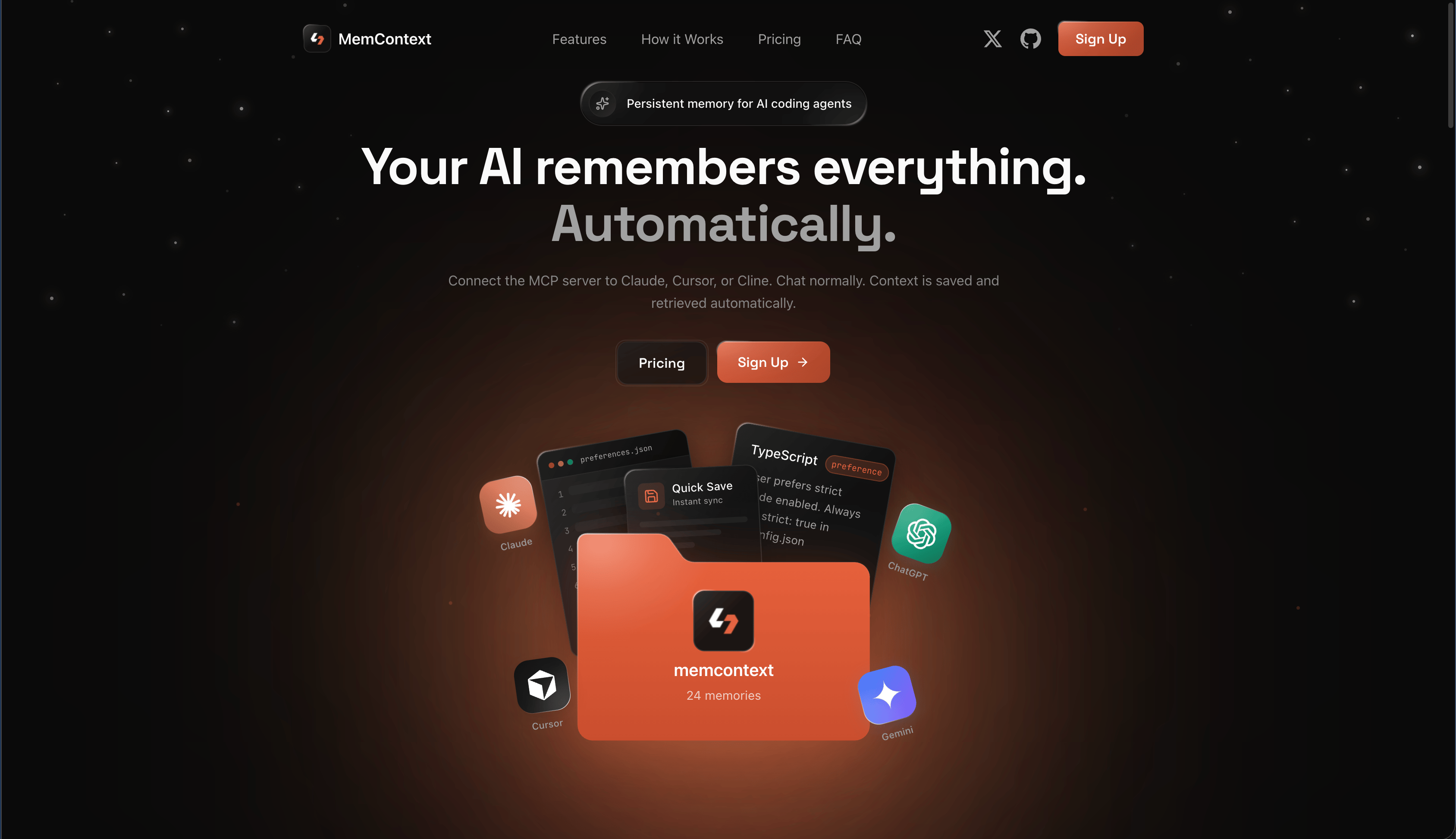
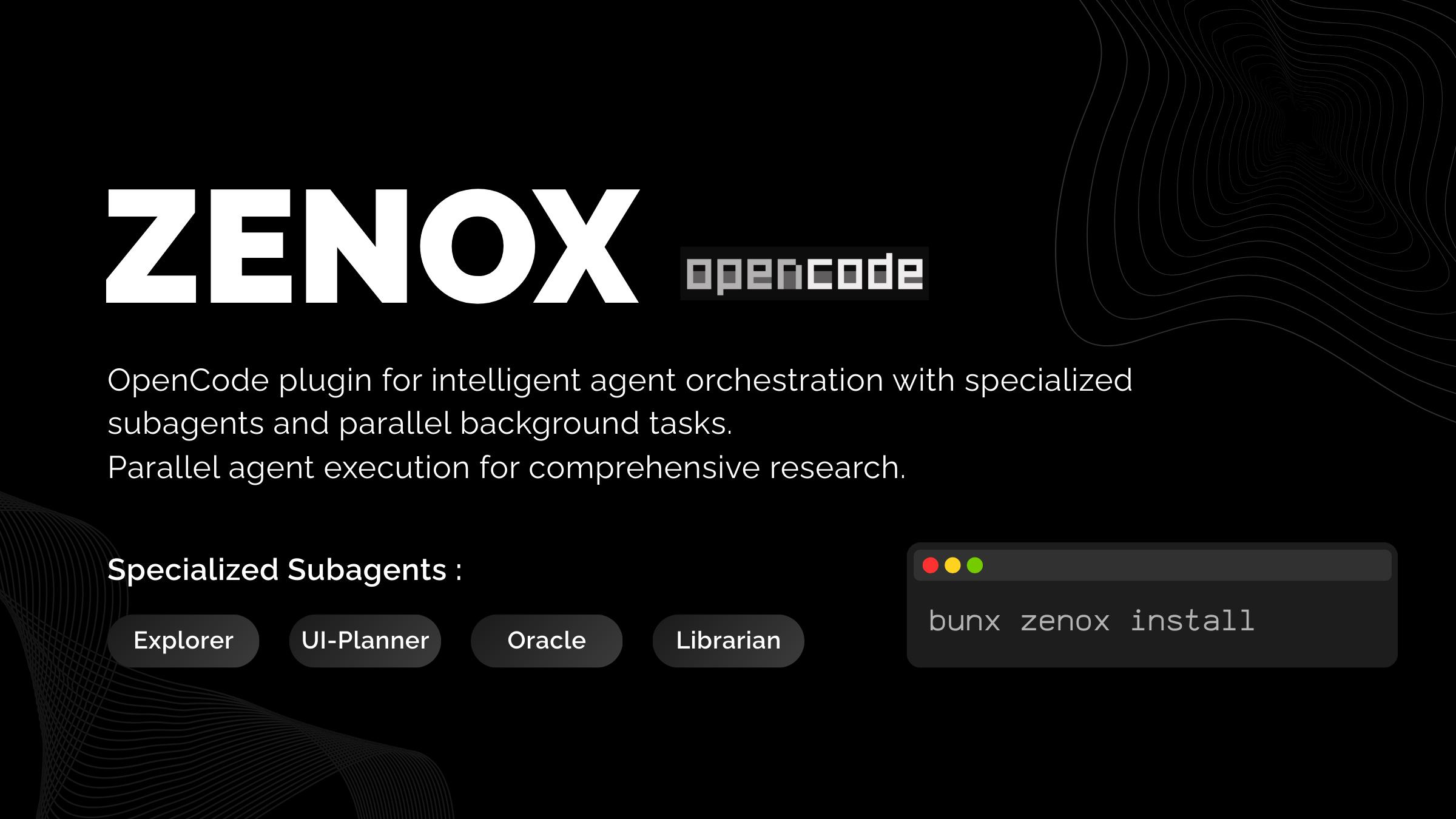
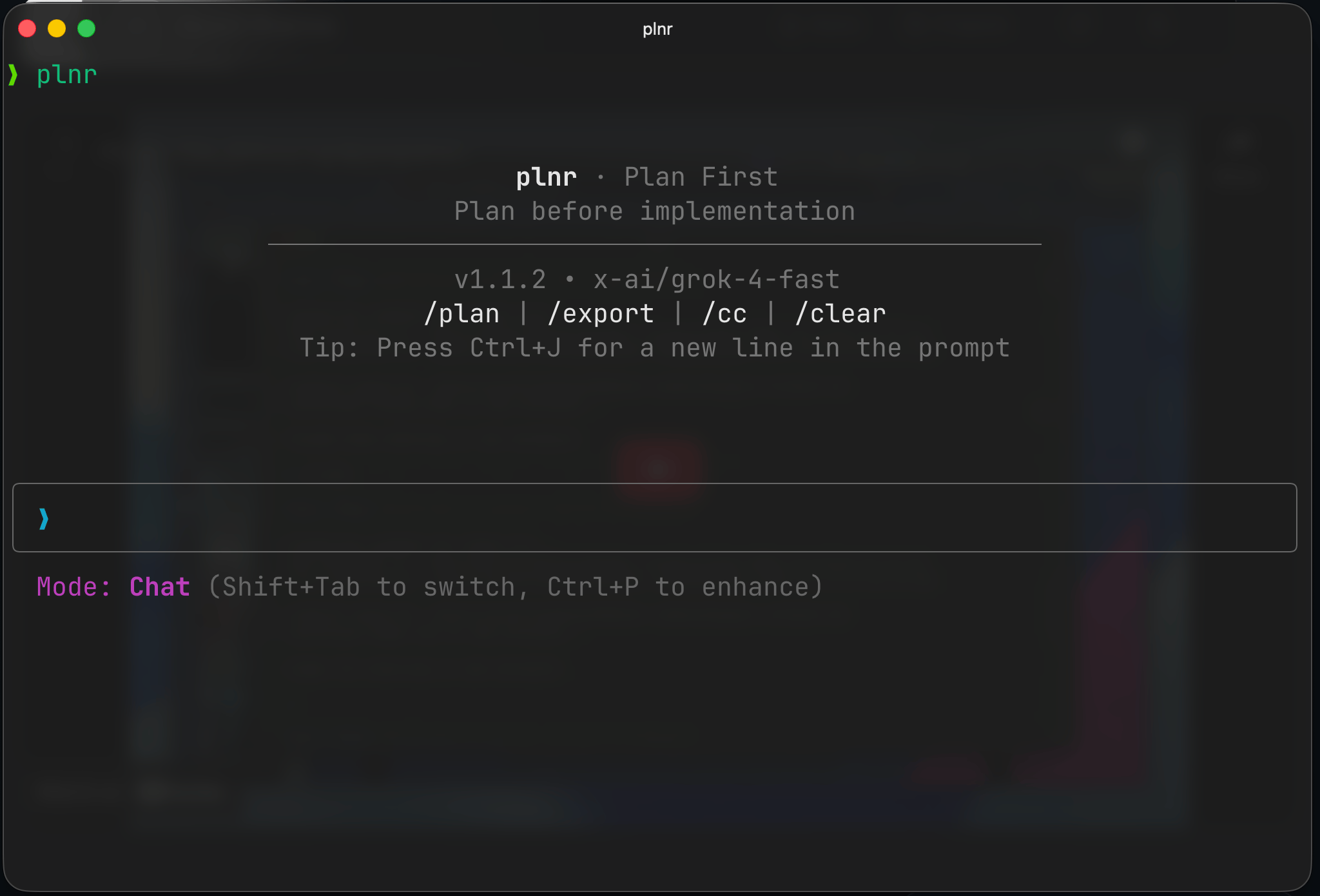
Plnr · Zenox · MemContext · and counting. Built, published, maintained. Used by real developers.
Built multiple production applications to SOC 2 and GDPR requirements, including fintech products for finance and lending, and business tools simple enough for non-technical owners.
Shipped fast. Still running.
MemContext is the flagship — used by enterprises in production. The rest are real plugins and production-ready apps. Built end-to-end, all live.
This is the deal.
Four principles. They show up in every project I ship.
AI-first, not AI-enabled.
I don't just use AI tools. I build the plugins, agents, and CLIs that extend them. Zenox for OpenCode, Plnr for codebase planning, MemContext for any MCP client. If a tool I use is missing something, I ship the extension myself.
Ship first. Polish in production.
I'd rather have it live and rough than perfect and unreleased. Real users teach you more than planning sessions ever will. Iterate against feedback, not against assumptions.
No tickets. Just outcomes.
Tell me the user problem and the constraints. I'll handle scope, architecture, and trade-offs. Skip the JIRA ceremony. Give me a definition of done and I'll get there.
I own the whole stack.
Frontend, backend, infra, AI integrations, code review, hiring. I replaced a BaaS with a custom stack at Kakiyo and still ship product on it. Specialization slows founders down.
More than the code.
The work doesn't end at the IDE. Here's the other half of how I show up.
More than the code. I ship internal tools for the team, and I'm a team player.
I build the team's tools.
Admin dashboards, hiring pipelines, code review workflows, deploy scripts, internal APIs. If something is slowing the team down, I'll automate it before anyone files a ticket.
I lift the team.
I review code, mentor juniors, write docs that don't suck, unblock teammates daily. I work like a co-founder, not a contractor. Your team becomes my team.
People over frameworks.
Users, teammates, founders. They matter more than the framework du jour. I optimize for what actually works for them, not what trends on Twitter this week.
Work History
Building scalable solutions and leading development teams

Kakiyo OÜ
CurrentChief Technology Officer
Lead Developer
Full Stack Developer
- ●Operate kakiyo.com at 5M+ requests/day for 10K+ users and 9K+ teams.
- ●Led a zero-downtime Appwrite to PlanetScale migration: 35+ tables, 40M+ rows, with rollback paths.
- ●Replaced Appwrite primitives (auth, realtime, database, email) with a custom stack built for this scale.
- ●Cut P50 latency from 2.8s to 20ms (P90: 90ms), dropped error rate ~90%, with near-100% uptime.
- ●Cut infrastructure from $1,200/mo to $200/mo.
- ●Ship features end-to-end on that stack — spec to production.
- ●Built the hiring pipeline and run the team across delivery, reviews, and technical direction.
Roles I take.
Not tasks. Not tickets. The whole engineering function, for as long as you need me there.
Fractional CTO / Founding Engineer
The default engagement. I take ownership of the engineering function: architecture, hiring, reviews, AI direction, infra. I already operate Kakiyo at 5M+ requests/day. Deeply embedded, long-term. Your team treats me like a co-founder.
Zero-to-MVP
First engineer in. Idea → live product in weeks, not quarters. Full stack, AI included, shipped to real users. No deck. Just code.
Build your AI layer
Own the AI surface end-to-end. Agents, RAG, tool calling, MCP, the observable infra around models. Production-grade, not demoware.
Take over a stalled engineering function
When shipping has stopped, I come in, find what's broken, kill the dead weight, and get the team moving again in weeks.
Strategic plugin & integration work
When the leverage is high enough to justify it: MCP servers, CLIs, IDE plugins. I've shipped Zenox, Plnr, and MemContext on this pattern.
I ship every day.
What I actually shipped. Live, public, every day.
“If you're a founder
building something real,
let's talk.”
30 minutes. No deck needed. Just bring the problem and what done looks like. I'll handle the rest.
Book a 30-min call
Tell me what you're building, where you're stuck, and what shipping looks like. I'll tell you exactly how I'd approach it, whether or not we end up working together.
- No sales pitch, no roadmap theatre
- Concrete next steps you can run with
- Honest take on scope, time, and trade-offs